
Post production is the stage where a film or TV project becomes clear, polished, and ready for viewers. It shapes the final mood, sound, timing, and visual flow of the story. Many teams work together to bring every scene into its final form, and this process decides how strong and smooth the finished project will feel. In the middle of this process, post production studios play an important role by offering the space and tools that guide each creative step.
1. Editing That Builds Strong Flow
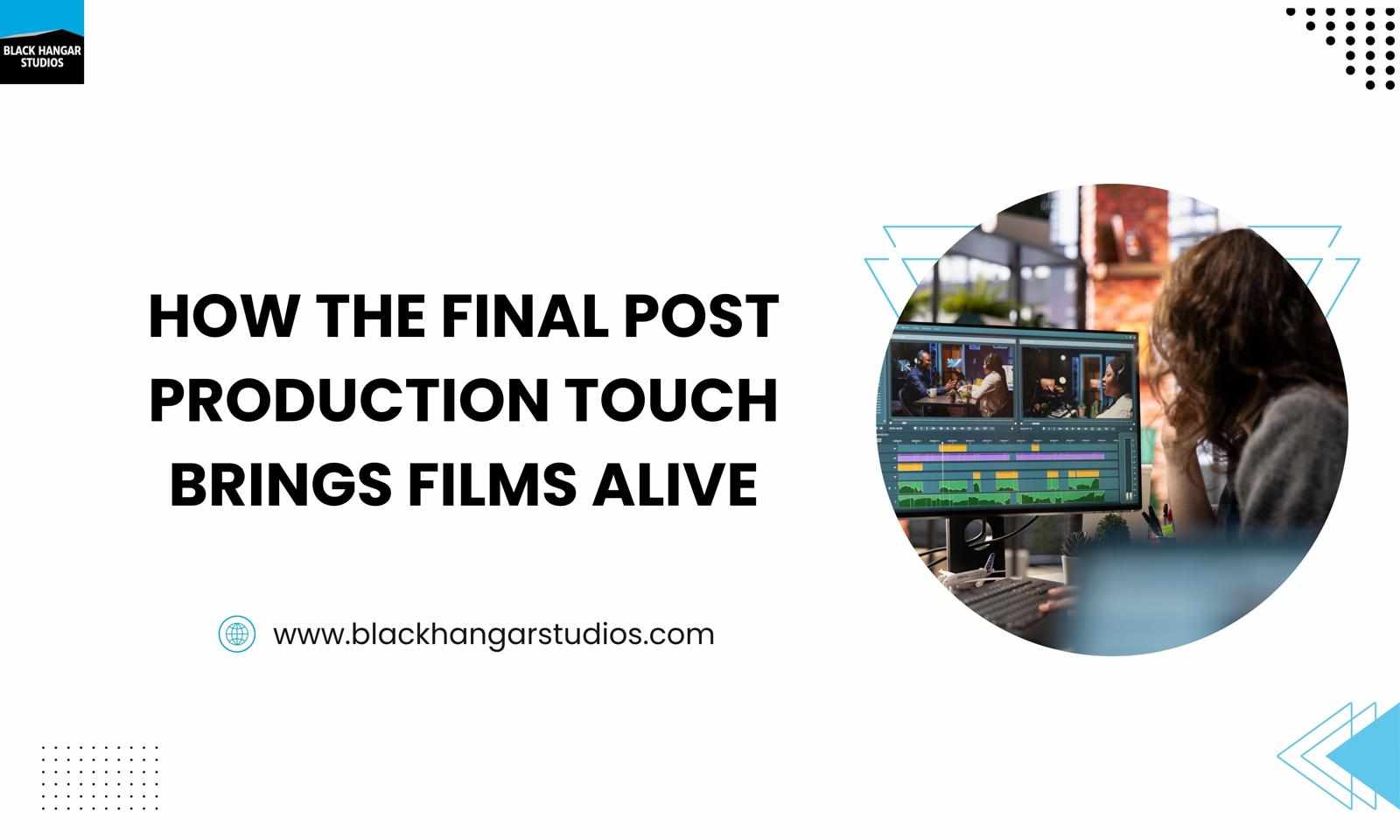
Editing is one of the most important elements in post production. It arranges the scenes in the right order and sets the pace of the story. Good editing helps viewers stay connected without feeling confused or rushed. Editors remove extra shots, tighten moments, and create a clean rhythm. When editing is clear and balanced, the project feels smooth and ready for sound and visual work.
2. Sound Design That Lifts the Mood
Sound has a major effect on how people feel while watching a film or show. Sound design shapes every layer, from small background noises to full sound effects. These sounds make scenes feel real and help support the emotions of the story. Clear sound design also helps the audience focus on the most important parts of each moment. Many teams depend on post production studios to handle these detailed sound layers with the right tools.
3. Music That Strengthens the Story Tone
Music guides the tone of the project. It adds energy, calm, tension, or emotional weight where needed. Without strong music, scenes may feel flat or disconnected. The music also works with dialogue and sound effects to create the full audio experience. Careful mixing keeps every part balanced so the project remains easy to watch and understand.
4. Colour Grading That Shapes Visual Style
Colour grading changes the overall look of the film or show. It adjusts brightness, contrast, and colour to match the mood of the story. Warm colours can make scenes feel soft and welcoming, while cooler colours can create a serious or dramatic feel. Grading also helps the footage look consistent from one scene to another. This part of the process is often done in controlled spaces within post production studios to achieve a clean and professional finish.
5. Visual Effects That Add Depth
Visual effects add details that cannot be captured during filming. These effects can be very small, like cleaning a frame, or large, like building backgrounds or correcting motion. When done well, visual effects blend into the scene and become a natural part of the story. They also help projects look modern and visually engaging without distracting the audience.
6. Final Mixing and Mastering for a Complete Finish
The final mix brings all elements together into one complete version. This includes dialogue, music, effects, colour, timing, and transitions. Mastering ensures that the project meets quality standards for screens, streaming, or broadcast. Many teams complete this stage inside post production studios, where all tools are combined for final checks. A strong final mix is important because it prepares the project for public release and ensures a clean, polished result.
Conclusion
Post production is the step that shapes the final look and sound of every film and TV project. It brings together visuals, sound, and timing to make the story clear and impactful. Many creative teams rely on professional spaces and skilled support to complete these stages to high quality. Black Hangar Studios is known for offering strong post production support in a way that helps projects stay organised and smooth, giving filmmakers a space where their final work can truly stand out.




Write a comment ...